|
Trades
|
|
|
|
The village blacksmith, Frank Loydell
|
|
|
Below - Kingston the carrier from Woodend
After the First World War, his sons formed a coach company
|
|
|
|
|
|
|
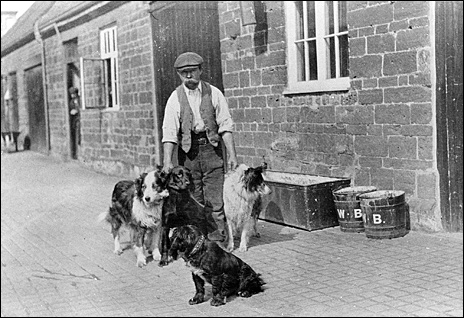
Harry Blakeman - head groom at the Hall, and responsible for five or six horses
|
|
|
|
Lads working in Tom Martin's briar pipe factory on the village green
Note the floor full of pipe bowls ready for assembly
|
|
|
Pubs
|
|
|
The Red Lion
(now the Bartholomew Arms)
On the extreme right, a horse trough is just visible. Timber was hauled to the station (three horses to a timber carriage) and on the way back the teams would stop to water the horses here.
|
|
|
|
The Village Greens
&
The Greyhound Inn
|
|
|
|
A 1920s view of The Greyhound Inn
Landlords Mr & Mrs John Grantham outside.
The pub ceased trading early in 1970
|
|
|
War Games
|
|
|
|
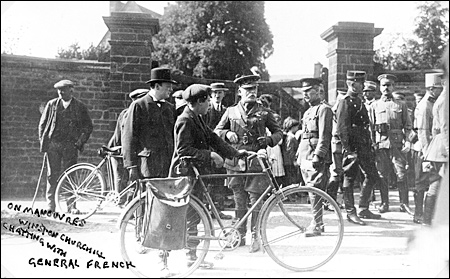
Behind the dispatch cyclist in the foreground, Winston Churchill talks to Sir John French, at the time the Chief of the Imperial General Staff and acting as Exercise Director
|
|
|
|
Some of the foreign attaches and military personnel observing the proceedings in 1913.
On the extreme right is Alexander of Teck, brother of Queen Mary
|
|
|
The Mill
|
|
|
|
Blakesley Windmill
left - An illustration from 1899. This type of mill was known as a smock mill or tower mill. It was built in 1832.
right - The Mill in later years. When the sails were removed, the top was embattled.
However, when the mill was used by the Royal Observer Corps in the Second World War as a on observation point to track enemy aircraft movements, members complained of the draught and the east side of the top was built up!
|
|
|
|

Albert Broomfield,
Blakesley Stationmaster 1912-1933
In this shot, probably before 1920, he stands in front of an array of signs and adverts for far-off places like Southport. The impressive dial behind him is on a machine urging passengers to "Try Yor Weight" for a halfpenny.
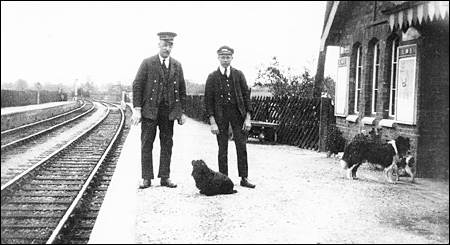
Below - Mr Boomfield & Arthur Mutlow, the station lad in the 1920s
|
 |
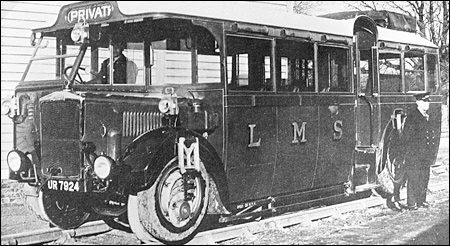 |
The Ro-Railer 1932
The line from Stratford-on-Avon to Blisworth through Blakesley was chosen for the test use of this strange vehicle which could operate on both road and rail. It could achieve a speed of 50 mph on rails, and was built in an attempt to counter the increasing competition from road transport.
The changeover from road to rail was done by running the vehicle onto a wooden ramp similar to a level crossing. The rail wheels were slowly lowered until they took the weight off the road wheels, which were then raised clear by a cam and locked in the higher position by a pin. The process generally took about five minutes.
|
|
|