|



|
A Brief History of Silverstone
It lies beyond the scope to include a history of Silverstone in the same detail as other villages here. Silverstone - also called Silson in its history - was not incorporated in the honor of Grafton, nor was it ever part of the Grafton Estate, though the Dukes of Grafton owned a couple of holdings there and these figured in the Estate Sale of 1919. In common with most villages in the area, the population rose in the first part of the 19th century, and Silverstone seems to have withstood the downturn in agriculture which lowered the population of so many villages in the later part of the century. However, it shows the losses of most of the others in the period after the First World War. The period after the Second World war is marked by strong growth as developments were allowed in the area - within 50 years of 1931, the number of houses in the village had doubled.
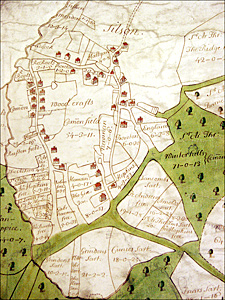
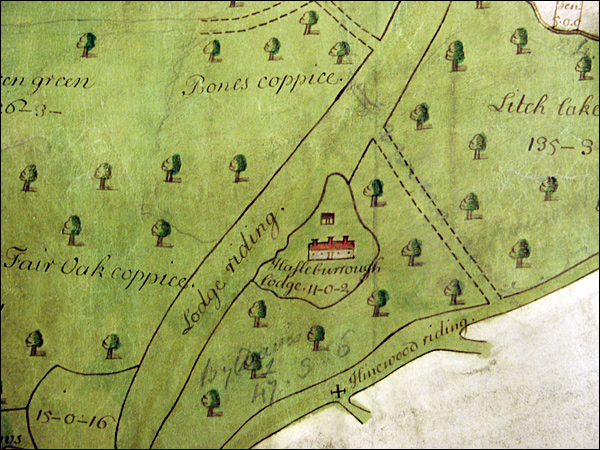
An article on life in Silverstone in the 15th Century is included, courtesy of The Whittlewood project at Leicester University. As Silverstone lay on the west side of Whittlewood Forest, for which the Dukes of Grafton held the rangership, some maps and details are available and are included here.
|
|||||||



|

