|



|
Towcester & The Grafton Estate
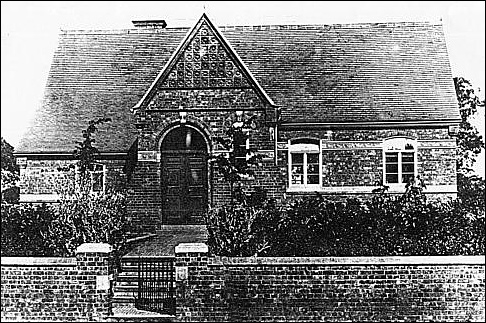
Towcester was never a formal part of the Grafton Estate. Several Estate villages lay adjacent to Towcester, but a glance at the number of rentals in the listings for Towcester shows that successive Dukes of Grafton had few financial interests there. Towcester lay more within the province of the Earls of Pomfret, and their successors the Heskeths, with their seat at Easton Neston. As part of the rationalisation of land which followed inclosures in the area in the late 18th and early 18th centuries, holdings were exchanged between the two families, and this reduced Grafton properties in Towcester even further. It lies beyond the scope to give a history of Towcester, though most know that it was a prominent Roman settlement on Watling Street. For a good overview of Towcester history, the web site to visit is that belonging to Towcester & District Local History Society. For residents of Grafton Estate villages, Towcester had two important features: the Grammar School and the railway station. The Grammar School served most of the Estate for the latter part of the Estate's life. Children went there on a fee-paying or scholarship basis, and after 1944 those children across most of south Northamptonshire who passed the Eleven Plus exam had access to places at Towcester.
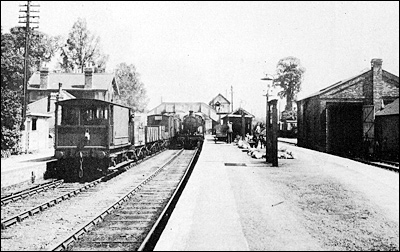
Towcester railway station was the centre of a secondary/branch line system which extended to Stratford-on-Avon, Banbury, Northampton and (via Blisworth and a junction near Olney) Bedford. Born and developed in the growth years of railways, and fuelled in part by the ambition of establishing a trade route from the East Midlands to Bristol and South Wales, it never fulfilled the hopes behind its creation. Passenger traffic remained disappointing, except for special occasions like Towcester Races. Nevertheless, for villagers in the north-west section of the Estate, having an important junction station like Towcester nearby meant that travel to distant towns and cities became a real possibility
|
|

